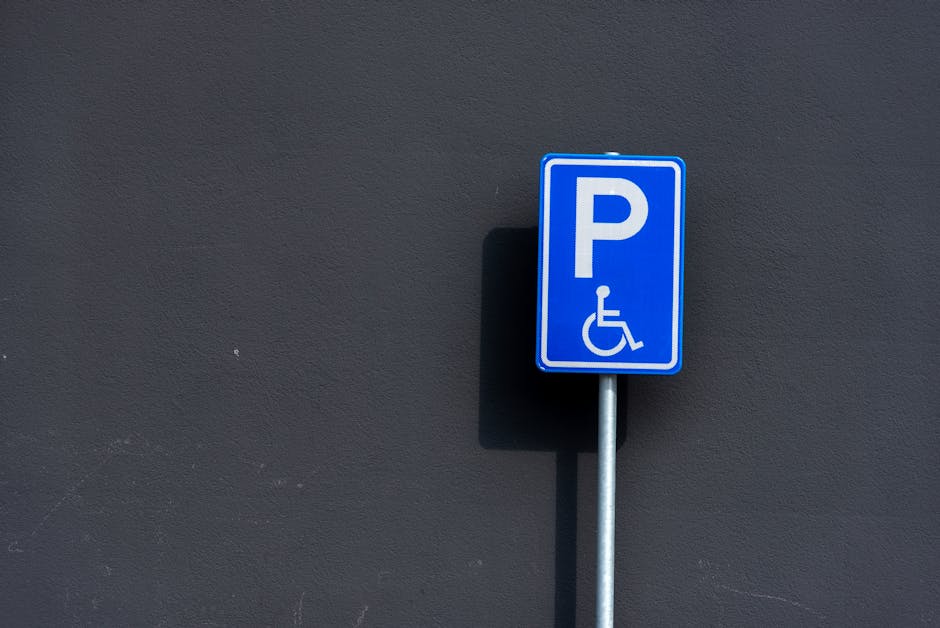
Haringey council permit rules for street parking during removals: a practical guide
If you are moving home or office in North London, parking can become the bit that causes the most stress. The boxes are packed, the kettle is unplugged, and then the real question hits: where is the van going to stop? Understanding Haringey council permit rules for street parking during removals helps you avoid penalties, delays, and that awkward moment where your removal team is carrying a sofa down the road because the vehicle could not legally wait outside.
This guide breaks the topic down in plain English. You will learn how street parking permissions usually work for removals, what to check before moving day, how to plan around local restrictions, and how to keep your move smooth even if the street is tight, busy, or heavily controlled. A little preparation goes a long way here, honestly.
Why Haringey council permit rules for street parking during removals Matters
Street parking around a removal is not just a convenience issue. It affects timing, safety, costs, and how smoothly the whole day runs. If a van cannot stop near the entrance, movers lose time. If they stop where they should not, you risk a parking penalty or a complaint from a neighbour who has had enough of cones, traffic, and slow progress. Fair enough, nobody enjoys that.
In a borough like Haringey, streets can be narrow, shared, permit-controlled, or subject to waiting restrictions. Some roads are easy enough; others are a puzzle even on a quiet Tuesday morning. The rules matter because removals usually involve heavier vehicles, repeated loading and unloading, and longer dwell times than a normal shop stop or parcel drop.
Another reason this matters is timing. A move rarely happens at the perfect moment. There may be school traffic, market activity, bin collections, or service access issues outside the property. Planning for street parking early gives you more control over the day, especially if you are working with a man and van team, arranging flat removals, or moving out of a busy terrace where every inch of kerb space counts.
Expert summary: the best removal day is rarely the one with the biggest truck or the most helpers. It is the one where the vehicle can legally stop close to the property, the route is clear, and nobody is improvising at the pavement edge.
You also want to think about neighbours and building management. In a shared street, one badly parked van can block refuse lorries, emergency access, or someone's driveway. So the practical side and the courtesy side go together. Remove the friction before the first box is lifted, and the day feels much calmer.
How Haringey council permit rules for street parking during removals Works
The exact parking setup depends on the street, the type of vehicle, and the length of time needed. In practice, removals often involve one of three scenarios: a short loading stop in a non-restricted bay, use of a permit or visitor parking arrangement, or a separate suspension or special arrangement if the space needs to be reserved. The key point is that street parking rules are local, so what works on one road may not work two streets over.
For many moves, the first question is whether the street is controlled by a permit zone, pay-and-display bays, yellow line restrictions, or time-limited loading bays. Then you need to know if the removal vehicle qualifies for loading exemption in the circumstances and whether the stop will stay within the acceptable loading window. That is where people can get caught out. Loading is not a magical free pass. It usually depends on active loading, the vehicle staying attended where required, and the activity being continuous and reasonable.
If your move is in a difficult location, you may also need to plan for a space outside the property. This could mean arranging a permit for the vehicle, organising a bay to be available, or making sure the van can legally wait while items are carried down stairs or from a lift. If you are moving from a maisonette, basement flat, or office with shared access, that extra bit of planning becomes even more valuable.
In many local moves, the parking arrangement is not the headline issue until it becomes one. Then it becomes the headline very quickly. A van can arrive on time and still be delayed if there is nowhere lawful to stop. That is why experienced movers often ask about parking before they ask about boxes. It is not fussiness; it is practical.
If you are organising a bigger household move, the parking conversation should happen alongside service choice and packing. The team doing home moves or house removals will usually need to know the street layout, bay availability, and whether access is better from the front or rear. That one detail can save a surprising amount of time.
Key Benefits and Practical Advantages
Getting the parking side right gives you benefits that are easy to feel on the day. First, you reduce the chance of fines or enforcement action. Second, you keep the move moving. Third, you make life easier for the removal crew, who can focus on lifting and protecting items rather than circling the block like they are looking for buried treasure.
There is also a safety benefit. A legally parked or properly authorised vehicle is usually positioned with more thought for traffic flow and pedestrian movement. That matters when heavy furniture is being carried, because one awkward reversal or a blocked pavement can turn into a risk very quickly. Good parking is not glamorous, but it supports safe handling.
Here are the main practical advantages:
- Less risk of parking penalties or permit issues.
- Shorter carrying distance from vehicle to property.
- Reduced time spent waiting for a legal space.
- Better coordination with lift access, stairs, and loading points.
- Lower chance of neighbour complaints or access disputes.
The knock-on effect is bigger than most people expect. If the van is close, the team can work faster. If the team works faster, the move is usually less tiring and less disruptive. And yes, that can save money too, especially on moves charged by time. If you are comparing providers, it is sensible to check pricing and quotes early so the parking plan is included in the overall picture rather than treated as an afterthought.
For larger or more fragile jobs, the space outside the property can make a real difference to how carefully items are moved. That is especially true for awkward furniture, instruments, or mixed loads that benefit from the right vehicle choice, such as a removal van or moving truck.
Who This Is For and When It Makes Sense
This topic matters for almost anyone moving within or into Haringey, but some people need to think about it much earlier than others. If you live on a narrow residential street, a controlled parking zone, or a road with heavy daytime traffic, the parking plan should be part of the move planning from the start. That goes for renters, homeowners, landlords, and businesses.
It is especially relevant for:
- People moving from or to flats with limited outside space.
- Families moving larger loads from terraced homes or maisonettes.
- Students moving in or out during busy turnover periods.
- Small businesses arranging an office relocation.
- Anyone using a van that needs more time than a standard car bay allows.
If you are moving from a top-floor flat with no lift, the parking issue becomes more than an inconvenience. It affects the number of trips, the fatigue level, and the total time on site. A smart arrangement can make the day feel manageable instead of chaotic. That is one reason people booking student removals or office removals often ask about access and street parking well before moving day.
Sometimes the best solution is not a giant vehicle, but a smaller one that can fit the street more easily. Other times, the move is better handled by a team that understands tricky access. If you need a more flexible local solution, options like man with van or removal services can be a sensible fit depending on volume and access. Truth be told, the best answer is often the one that matches the street rather than just the house.
Step-by-Step Guidance
If you want to avoid last-minute stress, take the parking side step by step. Nothing fancy here. Just a sensible sequence that works.
- Check the street restrictions early. Look at where the property sits, whether there are bays, yellow lines, loading areas, or permit-only parking nearby.
- Estimate the time needed. Think about how long the van will realistically need to load or unload. A one-bed flat and a family house are not the same story.
- Decide whether the vehicle needs a reserved space. If access is tight, a guaranteed space near the door can be more useful than hoping for luck on the day.
- Coordinate with the removal team. Tell them about height restrictions, narrow roads, traffic timing, and any school or bus activity nearby.
- Plan for the arrival window. Avoid assuming the crew can wait indefinitely. Set a realistic slot and keep everyone informed.
- Prepare the load path. Clear hallways, secure doors where needed, and make sure boxes are ready before the vehicle arrives.
- Confirm the final access plan the day before. Weather, road works, bin collection, or neighbour activity can change things quickly.
That sequence sounds simple, but it is where a lot of moves become easier. You notice the difference the moment the first item comes out of the property and lands safely in the vehicle, without any circling, waiting, or apologising to the people behind you.
If your move includes specialist or bulky items, the parking plan becomes even more important. A piano, for example, needs more space, more careful handling, and more room to manoeuvre. In those cases, combining access planning with piano removals or furniture removals is simply sensible.
Expert Tips for Better Results
There are a few habits that separate a smooth move from a slightly frantic one. They are not complicated, but they matter a lot.
- Build in a buffer. London streets have a way of surprising you. A delivery truck, a bus stop, or one badly timed school run can change the access picture in minutes.
- Use a smaller vehicle if the road demands it. Sometimes a compact van parked legally is better than a larger truck that creates pressure and delays.
- Keep loading continuous where possible. If the vehicle is relying on loading activity, avoid long pauses that make the stop harder to justify.
- Warn neighbours if the street will be busy. A quick note or conversation can prevent friction. People are usually more understanding when they know what is happening.
- Match parking to the property type. A top-floor conversion, a basement flat, and a family house each need a different access plan. Same postcode, different headache.
One small thing people forget: the route from van to front door matters almost as much as the road itself. A lawful parking spot that leaves you carrying wardrobes around three corners is not really a win. Better to think in terms of total carrying distance, not just the bay.
If you are dealing with a bigger or more complicated move, ask the provider whether they can help assess the access situation in advance. Experienced teams working on removals or removal companies style jobs are usually used to spotting the little details that change the day. And yes, those details are where most of the value is hiding.
Common Mistakes to Avoid
The most common mistake is leaving parking planning until the morning of the move. By that point, there is no room for careful thinking, only fast decisions. If the street is restricted, you may end up paying for the mistake in time or money.
Another frequent issue is assuming a loading stop means "anything goes". It usually does not. Streets, bays, and local enforcement can all come with conditions. If in doubt, treat the stop as something that needs to be planned, not guessed.
Here are other mistakes worth avoiding:
- Not telling the removal team about access problems.
- Underestimating how long the loading will take.
- Forgetting that lift use, stairs, and long internal walks slow things down.
- Parking too far away and then trying to "make it work".
- Ignoring temporary restrictions, roadworks, or local events.
- Leaving it to a neighbour's goodwill instead of arranging a proper plan.
There is also the classic move-day assumption that somebody else has checked it. Spoiler: they probably haven't. Better to ask the awkward question early than to discover at 8:10am that the only available space is a no-waiting zone. Not ideal, that.
If your move is time-sensitive, same-day, or tied to a strict handover, it is worth looking at same-day removals only with a realistic access plan in place. Speed helps, but not if the van is stuck playing parking roulette.
Tools, Resources and Recommendations
You do not need a stack of technical tools to get this right, but a few simple resources help enormously. A tape measure, a notebook, a phone camera, and a quick sketch of the street can be enough to prevent an expensive misunderstanding. If you can capture the width of the road, the position of bays, and the distance from parking space to door, that is already useful.
For bigger moves, a packing plan is just as useful as a parking plan. When the boxes are labelled properly and the high-priority items are ready first, the loading window becomes much easier to manage. That is where packing and boxes and packing and unpacking services can make a real difference, especially if you are juggling work, children, or a tight completion day.
Useful recommendations include:
- Take photos of the parking area before moving day.
- Measure any tight bends, gates, or shared entrances.
- Prepare a simple room-by-room loading order.
- Keep key documents and building access details separate from general boxes.
- Use storage if your completion and handover timings do not line up neatly.
Storage is often the quiet hero of tricky moves. If parking, access, or timing creates a gap between leaving one place and entering the next, storage can take pressure off the day. It is not glamorous. It is useful. Sometimes that is better.
Law, Compliance, Standards, or Best Practice
When people talk about parking rules, they often want a simple yes-or-no answer. The reality is a bit more layered. Street parking in London is governed by local restrictions, traffic management controls, and enforcement practices that can vary by location and time of day. For removals, the safest approach is to plan around the local conditions rather than assume a universal rule.
Best practice is to treat parking as part of the move logistics, not a separate afterthought. That means checking whether the street is permit-controlled, whether loading is allowed, whether a bay is required, and whether the vehicle can legally wait long enough to complete the job. It also means being cautious with footway obstruction, double parking, and blocking access. Those are the kinds of issues that turn a tidy move into a messy one.
From an operational point of view, reputable movers should also consider health and safety, safe lifting, and vehicle security. If you are comparing providers, it helps to look at their published health and safety policy, insurance and safety, and terms and conditions. Those pages do not tell you everything about a move, but they do show whether the business takes the basics seriously.
There is also a courtesy standard here, even when it is not written down anywhere. Leave enough space for pedestrians. Keep the route clear where possible. Communicate with neighbours if the van will be in place for a while. It sounds old-fashioned maybe, but it works.
Options, Methods, or Comparison Table
Different parking approaches suit different types of removals. There is no one-size-fits-all answer, and anyone who tells you there is probably hasn't moved a piano up three flights of stairs in January.
| Parking approach | Best for | Pros | Watch-outs |
|---|---|---|---|
| Short loading stop | Small, fast moves with active loading | Quick and simple if permitted | Needs careful attention to time and restrictions |
| Permit or controlled bay use | Residential streets with parking controls | More predictable access near the property | May require prior planning and the right vehicle size |
| Reserved or arranged space | Busy roads, flats, or long loading jobs | Best proximity and least guesswork | Needs coordination and early confirmation |
| Smaller vehicle access strategy | Narrow streets or awkward corners | Easier to fit and manoeuvre | May need more trips for larger loads |
In practice, many moves combine more than one of these. A small van may handle the street, while a second trip or backup arrangement handles the heavier furniture. That is often better than trying to force one large solution into a street that clearly doesn't want it.
Case Study or Real-World Example
Here is a realistic scenario. A couple moving from a third-floor flat in Haringey had a narrow street, controlled parking, and a tight completion window. On paper it looked manageable. In reality, there was little room for a big vehicle to stop, and the lift was too small for larger items. They were close to leaving the parking decision until the day before, which would have been a headache.
Instead, they measured the street frontage, checked the likely loading position, and planned for a smaller vehicle with a shorter carrying path. They also packed first-access items separately, so the move began with the essentials rather than random boxes from the kitchen. The result was calmer, quicker, and far less noisy than it could have been. You could hear the wheels of the trolley over the pavement, the sort of little sound that tells you the day is actually working.
What made the difference was not luck. It was access planning. Parking outside a flat is never just parking outside a flat. It affects the whole job. If the couple had ignored it, the first delay would probably have snowballed into a much longer afternoon. Instead, they stayed ahead of it, and that is usually the winning move.
Practical Checklist
Use this checklist before moving day. It is simple, but it catches a lot of problems.
- Confirm the exact moving address and street layout.
- Check for permit zones, yellow lines, loading restrictions, or bay limits.
- Decide whether the van can stop directly outside the property.
- Measure any narrow entrances or low clearances.
- Tell the removal team about stairs, lifts, or long carrying distances.
- Pack and label priority items first.
- Keep key access details and contact numbers handy.
- Plan for weather, traffic, and school-run timing if relevant.
- Confirm the parking plan the day before the move.
- Have a backup idea in case the nearest space is unavailable.
One small extra tip: if you are moving into or out of a property with particularly awkward access, take a few photos of the street at the same time of day you expect the move. The light, traffic, and parked vehicles will often tell you more than a description ever could. It is a tiny habit, but it helps.
Get a free quote today and see how much you can save.
Conclusion
The easiest removals are rarely the ones with the most boxes neatly stacked in the hallway. They are the ones where access, parking, timing, and vehicle choice have been thought through properly. That is the heart of Haringey council permit rules for street parking during removals: not just compliance, but calm.
If you plan early, ask the right questions, and match the parking approach to the street in front of you, the day becomes much less stressful. The van gets closer, the carrying gets easier, and the move starts to feel manageable again. And that really is what most people want on moving day: fewer surprises, fewer delays, and a little breathing room.
When the boxes are sealed and the street is ready, you can focus on the proper job of moving on. That's a good feeling, to be fair.
Frequently Asked Questions
Do I need a permit to park a removal van in Haringey?
It depends on the street and the type of restriction in place. Some roads allow loading, some are permit-controlled, and others have waiting limits or loading bays. Check the location carefully before moving day.
Can a removal van stop outside my house for loading?
Sometimes yes, but only if the local restrictions allow it and the stop is lawful for the time needed. Never assume a van can simply park there because it is for removals.
What happens if the nearest parking space is taken?
The move may still go ahead, but it can take longer and cost more time if the vehicle has to park farther away. That is why a backup parking plan is so useful.
Are loading bays better than permit bays for removals?
Not always. Loading bays can be convenient for active loading, but they may have time or usage conditions. Permit bays can be more predictable if the vehicle is allowed to use them. The best choice depends on the street.
How far in advance should I plan parking for a move?
As early as possible. Ideally, parking should be considered when you book the move, not the night before. If the street is busy or tightly controlled, earlier is better.
Does a smaller van make parking easier?
Usually yes. A smaller vehicle can be easier to place legally on narrow residential roads. The trade-off is that it may need more trips if you have a large load.
What if I live in a flat with no driveway?
That is very common in Haringey. In those cases, parking and access planning become even more important because the vehicle may need to stop on the street and the carrying distance matters more.
Can storage help if parking or access is awkward?
Yes. If the move is split across two dates or the access situation is complicated, storage can reduce pressure and give you more flexibility.
Should I tell the removal company about parking restrictions?
Absolutely. Good movers will want that information early because it affects vehicle choice, timing, and the loading plan.
Is same-day moving possible with parking restrictions?
It can be, but only if the access plan is realistic. Same-day moves are quicker on paper, yet parking can still slow everything down if it has not been thought through.
What is the biggest mistake people make with street parking on move day?
Leaving it too late to check. That one mistake causes most of the avoidable stress, because once the van arrives, you are working against the clock.
Where can I get help with a move in Haringey?
If you want a straightforward local move with parking considerations built in, start by looking at the available removal services and the team's wider approach to planning, safety, and pricing. The right setup saves time, and on moving day that matters a lot.