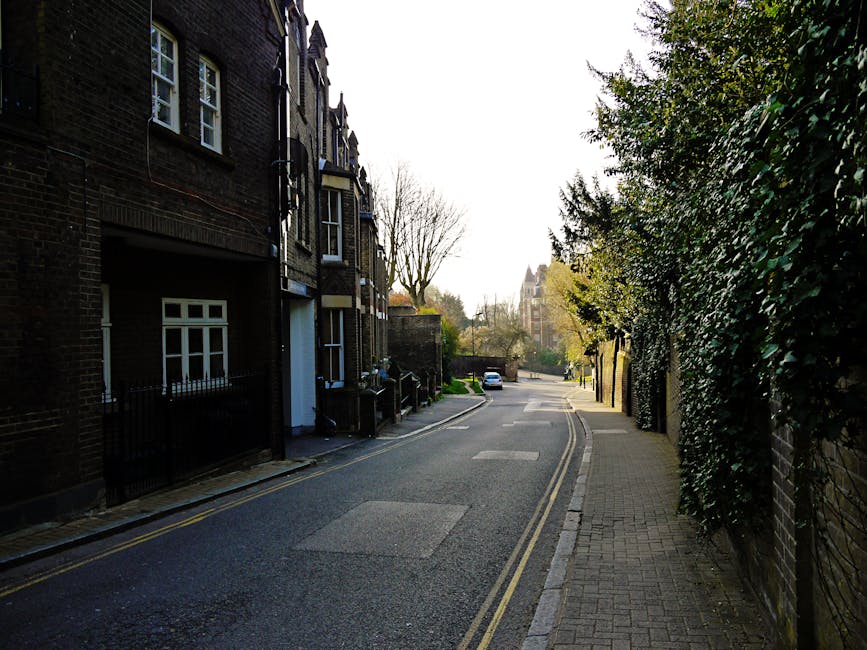
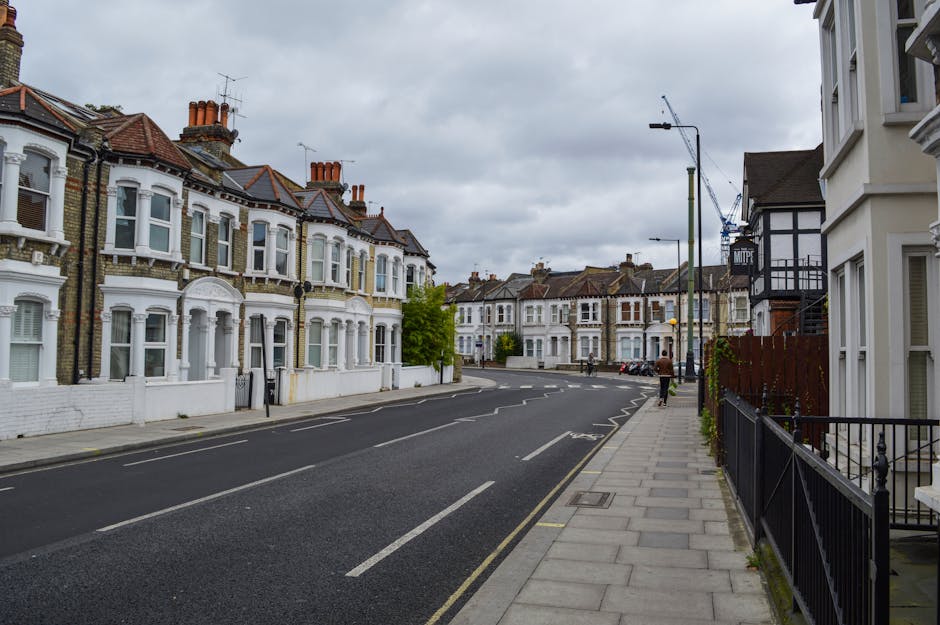
Crouch End House Removals Narrow Street Access Haringey: A Practical Local Guide
If you are planning Crouch End house removals narrow street access Haringey, you already know the challenge is not just the packing. It is the street. Crouch End has plenty of character, but some of its roads are tight, parked-up, and awkward for larger vehicles. That can turn a straightforward move into a stop-start puzzle if you do not plan properly.
This guide explains how removals work in narrow street conditions, what to check before moving day, and how to make the whole process smoother and less stressful. Whether you are moving from a terrace near the Broadway, a flat off Tottenham Lane, or a family home on a road where two cars can barely pass, the same principle applies: access planning saves time, money, and a lot of faffing about.
We will look at practical steps, common mistakes, local considerations, and the kind of service setup that usually works best in Haringey. If you want a broader overview of local moving help, you can also explore the main removals in Haringey page or the dedicated house removals Haringey service for a more general idea of what is available.
Truth be told, a narrow street move is often less about brute force and more about coordination. Get that right, and the day feels manageable. Get it wrong, and even a short move can drag on.
Table of Contents
- Why Crouch End house removals narrow street access Haringey Matters
- How Crouch End house removals narrow street access Haringey Works
- Key Benefits and Practical Advantages
- Who This Is For and When It Makes Sense
- Step-by-Step Guidance
- Expert Tips for Better Results
- Common Mistakes to Avoid
- Tools, Resources and Recommendations
- Law, Compliance, Standards, or Best Practice
- Options, Methods, or Comparison Table
- Case Study or Real-World Example
- Practical Checklist
- Conclusion
- Frequently Asked Questions
Why Crouch End house removals narrow street access Haringey Matters
Narrow street access changes almost every part of a move. It affects the size of vehicle you can use, where the van can stop, how long loading takes, and whether the crew can keep things moving safely. In Crouch End, this matters because many residential streets were not designed with modern removal vehicles in mind. Add parked cars, school-run traffic, delivery vans, and the occasional double-parker, and you have a real-world access challenge.
This is not just a convenience issue. Poor access planning can lead to avoidable delays, extra labour time, missed parking, or damaged furniture from rushed handling. A wardrobe that would normally slide straight out may need to be turned, carried further, or dismantled before it can even get through the doorway. That sounds small, but on moving day small problems add up quickly.
There is also a neighbour consideration. No one enjoys a blocked street, a van idling outside the house, or boxes being shuffled around under pressure. A well-planned move in a narrow road tends to be quieter, tidier, and less disruptive. That matters more than people think.
In our experience, the best moves in compact London streets are the ones that look slightly boring from the outside. No drama. No sudden rearranging. Just a clear plan, a suitable vehicle, and a crew that already knows how to work in tight spaces.
How Crouch End house removals narrow street access Haringey Works
The process usually starts before the van arrives. A proper access check looks at the width of the street, turning space, parking restrictions, pavement width, nearby junctions, and whether there is room to unload without blocking everything. This is where a smaller vehicle or a man with a van service can often make more sense than a large lorry, especially for residential streets in and around Crouch End.
Next comes route and parking planning. Sometimes the best option is to park a little away from the front door and use trolleys, dollies, or careful hand-carrying for the final stretch. That is perfectly normal. A removal team should not treat that as a problem; it is simply part of working in London. The key is to know it in advance rather than discover it when the van is already stuck behind a wing mirror and a skip.
Loading order matters too. In a narrow access move, the first items loaded are often the largest and heaviest, provided they are ready to go. Sofas, bed frames, white goods, and wardrobes are usually prioritised. Delicate items are secured separately. If furniture needs dismantling, that should happen early rather than after the crew starts shuttling boxes in and out.
Finally, the moving team should use the street itself intelligently. One side of the road may be slightly easier for loading. A side entrance, back gate, or alley access can be a game-changer. Crouch End has a mix of property types, so every move is a bit different. The point is not to force a standard approach onto an awkward location.
Key Benefits and Practical Advantages
When a narrow-street move is planned properly, the benefits are immediate. The day feels calmer. There are fewer lifts and unnecessary trips. Items are less likely to get bumped on tight corners. And because the crew has already thought through the access issue, they are usually working to a realistic timetable rather than guessing as they go.
- Less waiting time: No standing around while someone figures out where the van can legally stop.
- Safer handling: Better spacing means fewer awkward turns and fewer near-misses with walls, railings, or parked cars.
- Lower stress: You are not trying to solve access problems while also dealing with keys, utilities, children, pets, or a last-minute estate agent phone call.
- More accurate planning: A good access assessment makes quotes and schedules more realistic.
- Better use of labour: Movers spend time moving things, not improvising.
There is a practical financial benefit as well. The more predictable the access, the easier it is to avoid scope creep during the move. That matters if you are comparing quotes and trying to understand what is included. If you want to look at how service levels and prices are usually structured, the man and van rates page is a useful place to start.
Small detail, big difference. That is the story here.
Who This Is For and When It Makes Sense
This kind of move makes sense for anyone living on a tight residential street in Crouch End or nearby parts of Haringey where vehicle access is limited. That includes flat moves, small family house moves, student relocations, and downsizing moves where most of the challenge is not volume, but access.
It is especially relevant if any of these sound familiar:
- your road has limited parking or timed restrictions
- a larger removal lorry would likely block traffic
- you live in a terraced house or a converted flat
- you have bulky furniture that needs careful manoeuvring
- you want to avoid multiple failed parking attempts on moving day
- you are moving quickly and need practical, flexible support
It is also useful for people who are buying or renting locally and need a move that fits around property handover times. If you are in that stage, the local housing context can help you think through timing and neighbourhood layout. The guides on Haringey real estate and first-time buyers in Haringey may give you a helpful wider picture.
And if your move is part of a bigger life change, which it often is, the broader articles on the Haringey lifestyle and whether Haringey is a top living choice can be surprisingly relevant. Moving is never only about boxes, is it?
Step-by-Step Guidance
If you want the move to run smoothly, use a simple sequence. No need to overcomplicate it, but do not skip steps either.
- Measure access properly. Check the width of the street, any bends, the position of parked cars, and the distance from the property to the nearest practical stopping point.
- List all large items. Sofas, wardrobes, beds, appliances, and anything awkward should be noted early. This helps decide whether dismantling or extra handling is needed.
- Check parking options. Look at restrictions, permits, bay spaces, and whether your move time clashes with resident parking pressure.
- Choose the right vehicle. In a narrow street, smaller often beats bigger. A large van that cannot position safely is more trouble than it is worth.
- Decide what to disassemble. Bed frames, tables, and some shelving units are easier to move in pieces. Keep screws and fittings in labelled bags.
- Pack for speed. Use sturdy boxes, label fragile items, and keep essentials separate.
- Plan the loading order. Heavy items first, delicate items secured, essentials last.
- Communicate access issues clearly. Tell the moving team about stairs, tight hallways, side entrances, or any awkward turns.
- Leave a buffer. Narrow access moves almost always benefit from extra time. Not loads, just a sensible cushion.
If you need packing support, it can be worth looking at packing and boxes in Haringey. And if your move includes a sofa, sideboard, or dining set that simply will not cooperate, furniture removals Haringey is the obvious related service to check.
Expert Tips for Better Results
A few things make a bigger difference than people expect. First, tell the removals provider exactly where the tight spots are. Do not just say the road is narrow. Say whether the challenge is the bend, the parked cars, the lack of loading space, or a tiny front path that barely fits a wheelbarrow. Specific details help. A lot.
Second, think about timing. Early morning can be easier on residential streets, especially if the area gets busy later in the day. That said, school traffic, bin collections, and local delivery patterns can still trip you up, so timing should always be checked against the actual street, not just the clock.
Third, keep doorways and hallways clear before the crew arrives. It sounds obvious, but it saves time and prevents accidental scuffs. A quick five-minute tidy can do more than an expensive protective wrap later on. One small practical note: if you have a narrow stairwell, remove wall hangings and loose rugs beforehand. It saves nerves.
Fourth, think about the final five metres. People focus on the van, but the last few metres from the front door to the vehicle often create the real bottleneck. If you can make that path cleaner, wider, and free of trip hazards, the whole move tends to feel easier.
And yes, be realistic about what can be moved in one go. Sometimes the elegant solution is a slightly smaller vehicle and a slightly longer carry. Not glamorous. But effective.
Common Mistakes to Avoid
The most common mistake is assuming a standard van will fit everywhere because "it looked okay on Google Maps." Street photos are useful, but they do not show parked cars, road works, delivery bays, or the angle needed to reverse safely. Always treat map planning as a starting point, not a final answer.
Another mistake is underestimating the time required for loading and unloading in a narrow road. If the crew has to make multiple short trips or park further away, the move will take longer. That is normal, but it should be accounted for rather than discovered halfway through.
People also forget about neighbours and access etiquette. Leaving bins out, blocking driveways, or assuming everyone will simply work around your van can create avoidable tension. A courteous approach matters in close-knit streets like many in Crouch End.
Here are a few more to watch out for:
- failing to mention stairs, internal turns, or difficult entrances
- packing heavy boxes too full, which makes them awkward to carry
- leaving dismantling until moving day
- choosing the cheapest quote without checking access assumptions
- forgetting to protect floors, bannisters, and doorframes
To be fair, these mistakes are common because moving is busy and slightly chaotic by nature. But that is exactly why planning pays off.
Tools, Resources and Recommendations
You do not need specialist equipment for every move, but a few simple tools help a great deal. A wheeled sack truck, furniture blankets, stretch wrap, strong tape, labelled boxes, and a set of basic tools for dismantling can save time and protect your belongings. For awkward staircases or tighter access, protective covers for mattress and sofa edges are also worth considering.
Good preparation also means choosing the right support service. If you are comparing local options, the broader services we provide page gives a useful overview of what can be combined for different move sizes. If you want a full service overview first, the services overview and removal services Haringey pages are helpful starting points.
For people trying to balance cost with convenience, checking the right pricing page early is sensible. A clear quote process reduces confusion later on. You can review pricing and quotes and, if you want to understand how payments are handled, the payment and security information helps build trust before you book.
If your move may involve temporary holding of items, perhaps because the new place is not ready, storage in Haringey can be a practical bridge. That is often the quiet solution people forget until the last minute.
Expert summary: In narrow-street removals, the best tools are not just physical kit. Clear information, realistic timing, and a vehicle suited to the road are the real essentials.
Law, Compliance, Standards, or Best Practice
For house removals in London, the main compliance issues usually relate to parking, road use, health and safety, and the safe handling of goods. Exact rules vary by street and by council area, so it is always wise to check local parking restrictions and loading permissions in advance rather than assuming a van can stop anywhere for free and for as long as needed. That would be optimistic, at best.
Removal teams should also work in line with standard UK health and safety practices. That includes safe lifting, suitable equipment, and careful movement of heavy or awkward items. It also means planning routes to reduce the risk of trips, strains, or damage to property. If you are comparing providers, it is reasonable to ask how they approach safety on tight-access jobs.
Insurance matters as well. Any reputable moving service should be able to explain how items are protected during transit and what to expect if something goes wrong. The insurance and safety page is worth reading before you book, especially if you are moving valuable furniture, fragile possessions, or anything hard to replace.
Best practice also includes clear terms, honest scope, and transparent communication. If you are unsure what is covered, read the terms and conditions. For a little more confidence about the business side, the site's privacy policy, modern slavery statement, and health and safety policy show the kind of housekeeping customers often appreciate.
Options, Methods, or Comparison Table
Not every Crouch End move needs the same setup. The right option depends on how tight the street is, how much you are moving, and whether you have bulky furniture. Here is a simple comparison.
| Option | Best for | Pros | Limitations |
|---|---|---|---|
| Small van / man and van | Flats, small homes, limited access streets | Easier parking, quicker manoeuvring, often more flexible | May require more trips for larger loads |
| Medium removal van | Moderate house moves with some access space | Good balance of capacity and manoeuvrability | Can struggle on especially tight residential roads |
| Large removal lorry | Moves with plenty of access or larger volumes | Higher capacity, fewer loading trips | May be impractical in narrow Crouch End streets |
| Split-load or staged move | Complex moves, awkward access, time-sensitive handovers | Flexible, easier to manage, reduces pressure | Needs careful coordination and clear communication |
For many local jobs, a smaller, more agile setup is the sweet spot. That is why people often compare a broader removal service with a more compact man and van in Haringey option or a slightly more flexible man and a van arrangement. There is no single winner. It depends on the street.
Case Study or Real-World Example
Picture a typical Crouch End move on a narrow side street with parked cars on both sides and limited passing space. The home is a two-bedroom flat above a shop, with a staircase that turns sharply halfway up. The residents have a sofa, bed frames, a dining table, and eight or nine decent-sized boxes. Nothing outrageous, but enough to be awkward if handled badly.
Instead of trying to force a big vehicle down the road, the move is planned with a smaller van that can stop near a legal loading point. The crew checks access early, brings furniture blankets and a trolley, and dismantles the bed frame before load-out starts. Boxes are moved first from the upper floor to a clear staging area by the door. The sofa is carried carefully on a controlled route rather than squeezed around the stair bend in a rush.
What made the difference? Not speed, actually. Planning. The van was the right size, the crew knew the access constraints, and the customer had packed and labelled things properly. The move still took effort, of course. But it stayed orderly, and nobody was left apologising to a neighbour because a truck blocked the street for an hour. That is a win in my book.
If the move had been even more time-sensitive, a service such as same-day removals Haringey might have been relevant, but for most narrow-street moves, a planned approach is better than a rushed one.
Practical Checklist
- Measure the street width and note any tight corners
- Check parking restrictions and possible loading space
- List large and awkward items in advance
- Tell the mover about stairs, access codes, side gates, or back entrances
- Decide whether furniture needs dismantling
- Pack fragile items securely and label them clearly
- Keep hallways, paths, and doorways clear
- Protect floors and bannisters where needed
- Confirm timing so the move avoids obvious traffic pinch points
- Ask about insurance, safety, and what is included in the quote
- Prepare an essentials box with keys, charger, kettle items, and basic toiletries
- Leave a bit of breathing room for loading and unloading
This checklist is simple on purpose. Narrow access moves do not reward overcomplication; they reward clarity.
Conclusion
Crouch End house removals narrow street access Haringey are all about planning for the street you actually have, not the street you wish you had. Once you accept that access is part of the job, the rest becomes much easier to manage. The right vehicle, the right timing, and the right preparation can turn a stressful move into a controlled one, even on a cramped London road.
For many households, the best outcome is not a flashy move. It is a quiet one. A clean handover, no damaged corners, no blocked driveway drama, and no last-minute panic over whether the van can turn. That is the standard worth aiming for.
If you are ready to compare options, understand costs, or just get a practical view of your move, the next step is simple. Talk through the access details, get a realistic quote, and choose support that matches the street as well as the property. Small planning now can save a lot of hassle later.
Get a free quote today and see how much you can save.
And if you are still in the planning stage, that is perfectly fine too. A move handled thoughtfully tends to feel lighter, somehow, even before the first box is lifted.
Frequently Asked Questions
Can a removal van fit into the narrow streets around Crouch End?
Sometimes yes, sometimes no. It depends on the exact road layout, parked cars, junctions, and the size of the vehicle. In many cases, a smaller van is the safer and more practical choice.
What happens if the van cannot park right outside my house?
The team may need to stop further away and carry items by trolley or by hand. That is common in Haringey street moves, but it should be planned for so the schedule stays realistic.
Is a man and van service better for narrow street access?
Often, yes. A smaller, more flexible vehicle can be much easier to position in tight roads. It is not always the only option, but it is frequently the most sensible one for Crouch End properties.
How far in advance should I book a narrow access house move?
As early as possible, especially if you need a particular moving day or have parking complications. Early booking gives more time to check access, parking, and any special handling requirements.
Do I need to arrange parking permission myself?
It depends on the road and the service provider's setup. Some customers handle parking arrangements directly, while others ask the removals company what is needed. Always confirm this before moving day.
Can large furniture be moved through a narrow hallway?
Sometimes it can, but not always in one piece. Sofas, bed frames, wardrobes, and tables may need to be dismantled or turned carefully. Measuring in advance helps avoid surprises.
What if my street has parked cars on both sides?
That is a common London problem. The mover may need to use a smaller vehicle, a different stopping point, or a staggered loading plan. It is manageable, but only with proper planning.
How do I know if my move needs extra time?
If access is tight, if you have multiple floors, or if furniture is bulky, allow extra time. Narrow access almost always slows things a little, even when everything goes well.
Are my belongings insured during the move?
That depends on the service and the terms you agree to. Before booking, ask how goods are protected and read the insurance and safety information carefully.
What should I pack separately for a narrow street move?
Keep essentials, documents, chargers, medication, snacks, and basic toiletries separate. That way, if the main load takes a little longer to get in, you still have what you need.
Is storage useful if my new place is not ready yet?
Yes, storage can be a very practical option if keys are delayed or completion times change. It reduces pressure and gives you breathing room if the move does not line up neatly.
How do I get a quote for a Crouch End move with access issues?
Share the full access details, a list of items, the move date, and any parking concerns. You can start via the contact page or review pricing and quotes first if you want to understand the process.
If you want a service that is built around local roads, practical planning, and a no-nonsense approach, the right help is out there. And honestly, that kind of calm matters on moving day more than people admit.