Alexandra Palace piano removals Haringey safe route tips
Posted on 01/06/2026
Alexandra Palace Piano Removals Haringey Safe Route Tips: A Practical Local Guide
Moving a piano is never just a lift-and-go job. Around Alexandra Palace, the streets can be busy, the turns can feel tight, and the route from front door to van sometimes matters just as much as the journey itself. If you are searching for Alexandra Palace piano removals Haringey safe route tips, you probably want one thing above all else: a move that protects the instrument, the property, and everyone involved.
That is exactly what this guide is for. We will walk through how safe route planning works in real life, what makes piano moves around Haringey different, which mistakes catch people out, and how to prepare without turning the whole thing into a stress-fest. Truth be told, a good piano move is mostly about careful decisions made before anyone touches the instrument.
If you are comparing services, it can also help to look at related support such as piano removals in Haringey, broader removal services in Haringey, or even a flexible man and van Haringey option for lighter logistics. The right setup depends on the piano, the building, and the route. Simple as that.
Why Alexandra Palace Piano Removals Haringey Safe Route Tips Matters
A piano is not just heavy. It is awkwardly weighted, surprisingly delicate in the wrong places, and often moved through homes that were never designed for it. Around Alexandra Palace, that challenge gets bigger because local access can vary a lot from one street to the next. One house might have a straightforward path to the road; another might involve steps, narrow halls, parked cars, or a bend that looks fine until you try turning a piano through it.
Safe route planning matters because damage rarely happens in the van. It tends to happen at the awkward moments: the first doorstep turn, the landing on a tight staircase, the gate post you thought was wide enough, or the moment someone tries to "just squeeze it through." There is usually a better way, and honestly, a calmer way too.
In practical terms, route tips help you:
- reduce the risk of scratches, dents, and internal movement in the piano
- protect walls, bannisters, floors, and doors
- avoid delays caused by last-minute access problems
- choose the right size of van and the right number of movers
- make lifting safer for everyone involved
That last point is easy to overlook. A piano move is a people task as much as a vehicle task. If the route is mapped out properly, the move feels controlled. If not, it can become one of those situations where everyone goes quiet for a second and thinks, "this is not ideal."
For customers comparing wider moving options in the area, the local pages for removals Haringey and house removals in Haringey can help you understand how specialist piano work fits into a broader move. Some people also need storage or packing support, especially if the piano is part of a larger relocation.
How Alexandra Palace Piano Removals Haringey Safe Route Tips Works
Safe route planning for piano removals is basically a careful chain of checks. You start at the piano's current position, then work backwards from the van, and finally compare that route with the real obstacles in the property. The best movers do not assume. They measure, observe, and adjust.
Here is the typical flow:
- Assess the piano type - upright, baby grand, grand, or digital. Each one needs a different handling approach.
- Check the current room - look at floor type, doorway width, turn radius, and any steps or thresholds.
- Map the path to the exit - hall, stairwell, landing, porch, driveway, or garden path.
- Review the external route - kerb access, parking space, slopes, pavement width, and any low branches or overhangs.
- Prepare protection - blankets, straps, skates, piano board, floor covers, and door protection as needed.
- Match the route to the crew and vehicle - sometimes the issue is not the piano, it is the access point or van position.
For a simple upright piano in a ground-floor flat, the route may be very direct. For a grand piano leaving a Victorian property near Alexandra Palace, the process may need more planning, more lifting discipline, and a much stricter "no improvising on the day" rule. That sounds obvious, but you would be surprised how often people wing it.
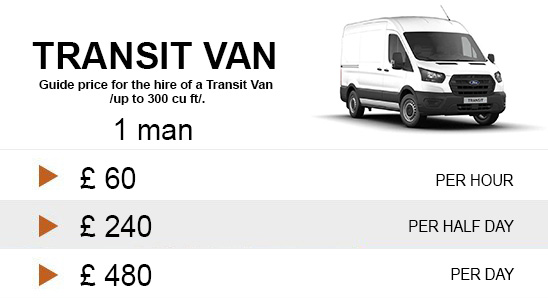
If you are using a broader man with a van service, make sure the provider actually has piano-moving experience. A van is only part of the answer. The route and handling plan do most of the work.
Key Benefits and Practical Advantages
Good route planning is not just about avoiding disaster. It makes the whole move smoother, faster, and less expensive in the long run. Yes, planning takes time. But the time you spend at the start usually saves far more time on the day.
| Approach | What it means | Practical benefit |
|---|---|---|
| Careful route survey | Measure access points before move day | Fewer surprises, fewer delays |
| Protected handling | Use blankets, boards, straps, and guards | Lower chance of cosmetic and structural damage |
| Right vehicle positioning | Park the van where the carry is shortest and safest | Less strain on movers and less time spent lifting |
| Access-first planning | Choose the path based on actual constraints, not convenience | More controlled movement through tricky properties |
There is also a trust benefit. When a mover explains the route logic clearly, you can tell they know what they are doing. That matters, especially for a high-value item. A piano often carries sentimental weight too. Maybe it was your first instrument, or your child's practice piano, or the one that has lived in the same corner for fifteen years. People do not always say that out loud, but it is usually there.
A second benefit is flexibility. If the access route has limitations, a good mover can suggest alternatives: a different loading point, a smaller van, a later arrival time to avoid traffic, or a temporary hold in storage via storage in Haringey if the building chain is not ready yet. That kind of adaptability can save a move that otherwise feels impossible.
Who This Is For and When It Makes Sense
This kind of planning is useful for anyone moving a piano in or around Alexandra Palace, but it is especially relevant if the property has access quirks. To be fair, in Haringey there are plenty of homes where the stairs are fine in theory and a bit of a headache in practice.
You will benefit most if you are:
- moving an upright or grand piano from a house with narrow halls or stairs
- relocating from a flat with shared access or limited parking
- trying to move a piano into a period property with tight doorframes
- combining the piano move with a full household relocation
- working to a deadline, such as completion day or a concert booking
- unsure whether the route outside the building is wide enough for safe loading
It also makes sense if you are already dealing with other moving pressures. A first home, a family move, or a studio change can already stretch your energy. If that sounds familiar, our local guides on first-time buyers in Haringey and whether Haringey is a top living choice are useful reading alongside practical moving prep. They help you see the broader context of moving in the area, not just the piano itself.
Some people also think, "It's only going a few streets away, do I really need specialist planning?" Usually yes. Short journeys can still involve the hardest part: getting the piano safely out and safely in. The van ride is often the easy bit.
Step-by-Step Guidance
If you want a safe piano move around Alexandra Palace, use a route-first process. Here is a practical sequence you can follow or ask your mover to follow.
1. Measure the piano and the access points
Start with the piano's dimensions, then compare them with doorways, stair width, landings, and the final doorway at the destination. Do not forget handrails, light fittings, radiators, and those little architectural "features" that suddenly make a turn impossible. They always seem to appear at the worst moment.
2. Walk the route before move day
Walk from the piano room to the front door or loading point. Then walk the external path to the van. Look for uneven paving, steps, sharp corners, loose mats, and wet surfaces. If it is raining, add a little extra caution. A slightly slick doorstep is enough to ruin a smooth carry.
3. Decide the loading side and parking position
The van should be positioned to minimise carry distance without blocking traffic or creating a hazard. In practical terms, the best route is not always the shortest-looking one. Sometimes it is better to walk an extra few metres if that means avoiding a tight turn or unstable ground.
4. Protect the surfaces on both ends
Use floor runners, blankets, and door protection where needed. If the piano has to pivot around a tight corner, make sure there is enough protective padding on contact points. A tiny chip in a doorway can be enough to spoil an otherwise clean move.
5. Use the right moving equipment
Most piano moves need more than strength. A piano board, heavy-duty straps, piano dolly, and correct lifting technique are usually part of the setup. For some grand pianos, specialist dismantling and reassembly may also be required. That is not a DIY improv moment.
6. Keep the route clear while moving
People stepping in and out, pets wandering around, children getting curious, last-minute bags being moved from one place to another - all of that can cause risk. The route should be clear, calm, and controlled. One person directing, one path, no confusion.
7. Recheck before loading
Before the piano leaves the property, do one final check: is the path still clear, is the van accessible, and has anything changed outside? Sometimes a neighbour parks differently, a delivery van appears, or a bin lorry leaves limited room. It happens.
If you want help coordinating the wider move, a removal van in Haringey or a broader services overview can give you a better sense of how the piano move fits into the full relocation plan.
Expert Tips for Better Results
Here is where the little details matter. They are not flashy, but they make the difference between a move that feels smooth and one that feels like a near miss.
- Choose the quietest time of day if your route involves roadside loading or shared access. Less traffic usually means less pressure.
- Avoid tight footwear or slippery soles for anyone helping. Good grip sounds basic, but it really matters.
- Measure twice, lift once is not just a saying. Check the turn radius again if the piano is larger than expected.
- Take photos of the route before move day. A quick photo of stairs, a gate, or a difficult corner can be surprisingly helpful.
- Keep the piano closed and locked where possible to reduce movement inside the instrument during transit.
- Use a route leader so one person makes the call on turns, pauses, and lifting rhythm.
One slightly underrated tip: ask whether the mover has handled similar properties near Alexandra Palace before. Not because every house is the same - they are not - but because local familiarity can shave off a lot of guesswork. Someone who knows the area may already anticipate parking limits, gradients, or access bottlenecks.
And yes, this is one of those jobs where a little extra caution pays off. Better to spend two minutes adjusting a carry than two hours dealing with a scratched piano case and a strained back. Nobody wants that.

Common Mistakes to Avoid
The biggest mistakes are usually simple ones. That sounds reassuring in a way, because simple mistakes are easier to avoid once you know them.
- Assuming the piano will fit without measuring the route properly.
- Leaving parking to chance and hoping the van can stop "somewhere nearby."
- Forgetting about external obstacles such as steps, slopes, low trees, or narrow gates.
- Using the wrong crew size for the piano weight and access complexity.
- Not protecting the property before the move starts.
- Trying to turn the piano in a space too small for a safe pivot.
- Rushing the final lift because the schedule is tight.
Another common problem is mixed expectations. A customer may think the route is fine because the room is spacious, while the mover can see that the corridor and front step are the real issue. That mismatch is why a proper pre-move assessment matters so much. It is better to sort that out early, not when the piano is already halfway through the doorway.
If your move involves other furniture too, consider looking at furniture removals in Haringey or packing support through packing and boxes in Haringey. A piano is one thing; a piano plus sofas, mirrors, and boxes is another matter entirely.
Tools, Resources and Recommendations
You do not need a warehouse full of specialist gear, but the right tools matter. For piano removals, standard household moving supplies are often not enough.
- Piano board or skid board for secure movement of heavier instruments
- Heavy-duty removal blankets to protect the casing
- Straps and lifting aids to keep weight distributed safely
- Dollies or skates where the route allows them
- Floor protection for timber, laminate, stone, or carpeted areas
- Gloves with grip for controlled handling
- Measuring tape and a simple floor plan sketch if the property is tricky
For a broader move, useful supporting pages include man and a van Haringey, man with van rates, and pricing and quotes. These are helpful if you want to understand how service type and route complexity can affect the final cost structure. No need to overcomplicate it, but it is worth asking the question early.
For the most practical next step, many customers start with a short conversation and a few photos. That gives the mover enough context to judge the route properly. If you would rather speak directly, use the contact page and share the property details, piano type, and access challenges. Simple, quick, and much better than guessing.
Law, Compliance, Standards, or Best Practice
For piano removals, the main compliance focus is safety and duty of care. There is no magic shortcut here. A moving team should work in a way that avoids foreseeable injury and property damage, and the customer should give accurate information about access conditions.
In UK moving practice, that usually means:
- using suitable handling methods for heavy and awkward items
- communicating access limits clearly before the job starts
- making sure the route is reasonably safe for lifting and carrying
- protecting property surfaces where contact is likely
- having sensible insurance and safety processes in place
If you are comparing providers, take a look at their insurance and safety information, plus any health and safety policy they publish. A professional mover should be able to explain how they approach risk, not just say "don't worry, we do this all the time." That line is nice, but a bit thin on detail, lets face it.
It also helps if terms, payment expectations, and complaints routes are clear in advance. For that, the pages on terms and conditions, payment and security, and complaints procedure are useful trust signals. They show the business has thought through the boring-but-important bits. And boring bits are often what keep moves calm.
Options, Methods, or Comparison Table
Not every piano move needs the same method. The right choice depends on access, distance, and instrument size. Here is a simple comparison to help you think it through.
| Method | Best for | Strengths | Watch-outs |
|---|---|---|---|
| Two-person basic carry | Smaller uprights with straightforward access | Quick, simple, cost-conscious | Not suitable for tricky stairs or large pianos |
| Specialist piano removal team | Uprights, grands, awkward routes, period properties | Better handling, more equipment, safer route planning | Usually needs more preparation |
| Combined house move with piano included | Full relocations where the piano is one item among many | Efficient for larger moves | Coordination matters; timing can be tighter |
| Move with temporary storage | Delays, completion gaps, refurbishments | Reduces pressure when access is not ready | Needs extra handling and planning |
If you are moving a piano as part of a bigger home move, the wider local guides on flat removals in Haringey and student removals Haringey can help you judge whether your move is a compact access job or a fuller relocation. The right method is rarely the fanciest one; it is the one that fits the property properly.
Case Study or Real-World Example
A typical Alexandra Palace piano move might involve an upright piano in a first-floor property with a narrow staircase and on-street parking. The customer may think the main challenge is the weight, but the real challenge is the turn at the foot of the stairs and the final carry to the van.
In one realistic scenario, the team would start by checking the hallway width, the stair landing, and the front step. They might find that the piano can come down the stairs safely only if it is turned at a very specific angle. The van would then be positioned on the side of the road that gives the cleanest straight carry, even if that means walking a little further than expected.
The move becomes manageable because the route is planned around the piano, not around convenience. A floor cover goes down at the threshold. One mover guides from below, one steadies from above, and the door stays protected during the final turn. There is no rushing, no extra people crowding the entryway, and no attempt to "just see if it fits."
At the destination, the crew checks the new route before lifting the piano off the van. If the entrance is tighter than expected, they adjust there and then rather than forcing a bad angle. The result is a calmer move and a piano that arrives in one piece, which, to be fair, is the point.
For customers who want a move like this handled properly, the best next step is often to compare specialist options against broader removal companies in Haringey. Some companies are excellent at general moving, but not every team has the same approach to piano handling or route planning. Ask the practical questions early.
Practical Checklist
Use this checklist before move day. It keeps things grounded and stops last-minute panic from creeping in.
- Confirm the piano type and approximate size
- Measure all key access points, including doorframes and stair turns
- Check parking and loading access near Alexandra Palace
- Identify any steps, slopes, or narrow outdoor paths
- Decide whether the piano needs specialist handling equipment
- Protect floors, walls, and door edges
- Keep the route clear of boxes, shoes, pets, and loose items
- Ask about insurance, safety, and what happens if access changes
- Confirm timing so the move avoids unnecessary congestion
- Have a backup plan if the route turns out to be tighter than expected
Quick expert summary: the safest piano move is rarely the fastest-looking one. It is the one where the route is checked early, the equipment matches the piano, and the team stays patient enough to make small adjustments without drama.
If you want to reduce uncertainty, combine this checklist with a short discussion about pricing and vehicle choice. The pages on removal services Haringey and man and van Haringey are a useful place to start when deciding what level of help you actually need.
Conclusion
Safe piano removals near Alexandra Palace come down to one clear idea: plan the route as carefully as you plan the lift. Once you understand the route, the rest of the job becomes much more predictable. You are not just moving a heavy item; you are managing space, timing, handling, and a fair bit of common sense.
Whether you are moving an upright from a family home, a grand from a period property, or a piano as part of a larger relocation, the best results usually come from clear measurements, honest access checks, and the right mover for the job. That is what makes these Alexandra Palace piano removals Haringey safe route tips genuinely useful, not just nice-to-have advice.
Get a free quote today and see how much you can save.
If you are ready to take the next step, reach out with your piano type, photos of the access route, and any awkward details you already know about. A proper conversation now can save a lot of effort later, and it often makes the whole thing feel less daunting. You will feel it on the day. Much calmer.